|
||||||||||||||
 |
||||||||||||||
 |
||||||||||||||
|
||||||||||||||
 |
ANIMALS AND LIVESTOCK |
 |
||||||||||||
Humans began domesticating
animals at the end of the last Ice Age, about 10,000 years ago. Only
a handful of animals can be tamed. Fortunately for the Egyptians, many
of these lived in or near the Nile Valley. They used them for transportation,
food, labor, religion, sport and simple companionship. |
||||||||||||||
|
|
||||||||||||||
 |
|
|||||||||||||
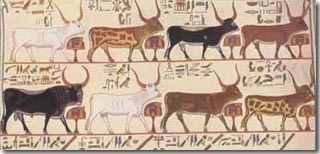
The Egyptians like other African peoples originally bred long-horned cattle, but by New Kingdom times a short-horned variety appeared. Cattle colors included black, brown, tan with brown spots, white with black spots, black and white and pure white. Whenever possible, cattle were allowed to graze in open fields. During the inundation, they led cattle to the higher levels of the flood plain and fed them grain from the previous year. The cattle of different owners could mix, of course, so the Egyptians early on etched or marked the horns to establish identification. The large estates and temples used branding to mark their cattle. The availability of free range land declined as the Egyptian climate grew drier and the land more cultivated, so penned cattle became more common as time went by. Cattle, especially bulls, figured prominently in ancient Egyptian religion
from earliest Predynastic times. Special farms fattened and decorated
them for for sacrifice. The famous cult of the Apis Bull was sacred
to the cult of the god Ptah and bulls
figured prominently in the worship of the gods Ra, Osiris and Min. The
cow was central to the ancient fertility cult of the goddess Hathor. |
||||||||||||||
 |
|
|||||||||||||
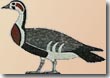
For poultry the Egyptians had the Nile goose (Alopochen aegyptiacus) which, despite its vile temper, often had the run of the house and garden. The goose was sacred to the god Geb, called 'The Great Cackler' when he took on goose-form. The Egyptians maintained lakes throughout the land to provide for sacred geese. They used the eggs for food and rituals. The domestic chicken didn't appear until the New Kingdom, and became more common in the Later Dynasties Period. |
 |
|||||||||||||
|
||||||||||||||
|
|
|
|||||||||||||
The average height of the Egyptian
horse was 4.5 ft/1.3 m tall, though some were as tall as 5 ft/1.5 m.
As a prized posession, the horse was never used for farming, portage
or least of all, food. |
||||||||||||||
Egyptians learned of camels about 1000 BC from Asian foreigners trading in the land. They didn't use them much until after the Persian conquest in the Later Dynasties Period. |
 |
|||||||||||||
SACRIFICES They sacrificed many cattle to the gods. In the New Kingdom, thousands
of oxen decorated with ostrich feathers and tens of thousands of geese
were sacrificed each year on the altars of the god Amun
alone. |
||||||||||||||
 |
|
|||||||||||||
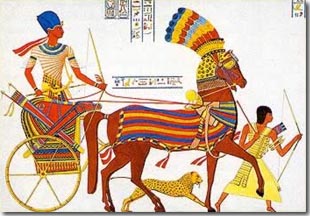
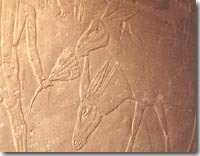
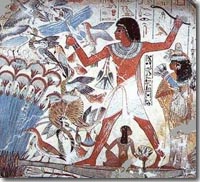
By Old Kingdom times, Egyptian royalty hunted in the desert out beyond the monuments edging the cultivated plains. Attendants and beaters accompanied them. At first they hunted on foot, but later in the New Kingdom by chariot. The usual game was antelope or gazelles, ibex, ostriches or wild sheep. Hyenas, lions and leopards required more skill and courage, and their pelts more highly prized. Egyptians hunted water fowl with throwing sticks or snared them in
nets. |
||||||||||||||
FISHING The Egyptians used hooks, nets, traps, pens and harpoons. They started
with bone hooks tied to a line. By the Middle Kingdom they had rods
and barbed metal hooks. They used nets and corralled fish into pens.
Sometimes they harpooned fish standing in papyrus canoes; sometimes
they lounged in chairs with a line in the water. They fished the river,
the marshes, the Faiyum, canals, and private ponds. The Egyptians cleaned
then boiled, pickled, salted or dried the fish. |
||||||||||||||
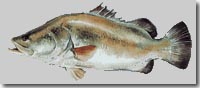
They considered certain species sacred, such as the Nile perch, sacred to Neith, and the Nile eel. Other species eaten by the Egyptians (but not the pharaoh or priests) included the catfish, carp, mullet, tilapia, elephant-snout fish, tiger fish, and moonfish. There were dangers. One species of catfish had a highly poisonous spine on its dorsal fin. The ferocious Nile crocodile could steal the catch, attack boats and devour overboard fishermen.
|
 |
|||||||||||||
 |
|
|||||||||||||
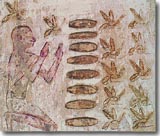
They added honey to wine, to bread and made pastries with it. They applied it to open wounds – an effective treatment (we now know) due to the antibacterial and fungicidal qualities of honey. They used beeswax for mummification, medicine, boat building, metal-casting molds and as a binding agent in paints and glue. The ubiquitous Egyptians wigs used beeswax as ‘hairspray’ to hold braids.
|
||||||||||||||
PETS Cats were more popular as pets than other animals in ancient Egypt.
They domesticated the wild cat of the Delta. They kept the vital granaries
free of rats and mice. We have record of individual names and the mummified
bodies of cats. They were considered divine, the theophany of the goddess
Bast. Killing a cat not only violated the
law, but infuriated the populace. Despite a ban on export, domesticated
cats spread out from Egypt to the Near East. |
||||||||||||||
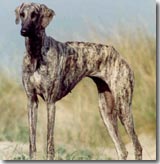
Dogs were almost as popular as cats. They too had individual names, and often buried with their masters. Dogs went on hunts and served as guards and companions. There were even dog cemetaries. Several breeds enjoyed popularity during Egyptian history. The basenji, a medium-sized hound, can be traced back to the courts of the pharaohs. A breed like the sloughi (a greyhound ancestor) appeared in the Old Kingdom. Middle Kingdom Egyptians preferred short-legged breeds, and the harrier beagle in the New Kingdom. |
 |
|||||||||||||
Home | Nile Valley | Dynasties | Wealth | Divinity | Temples | Hieroglyphs | Mysteries
|
||||||||||||||